What to Expect From an Authentic Southern Restaurant
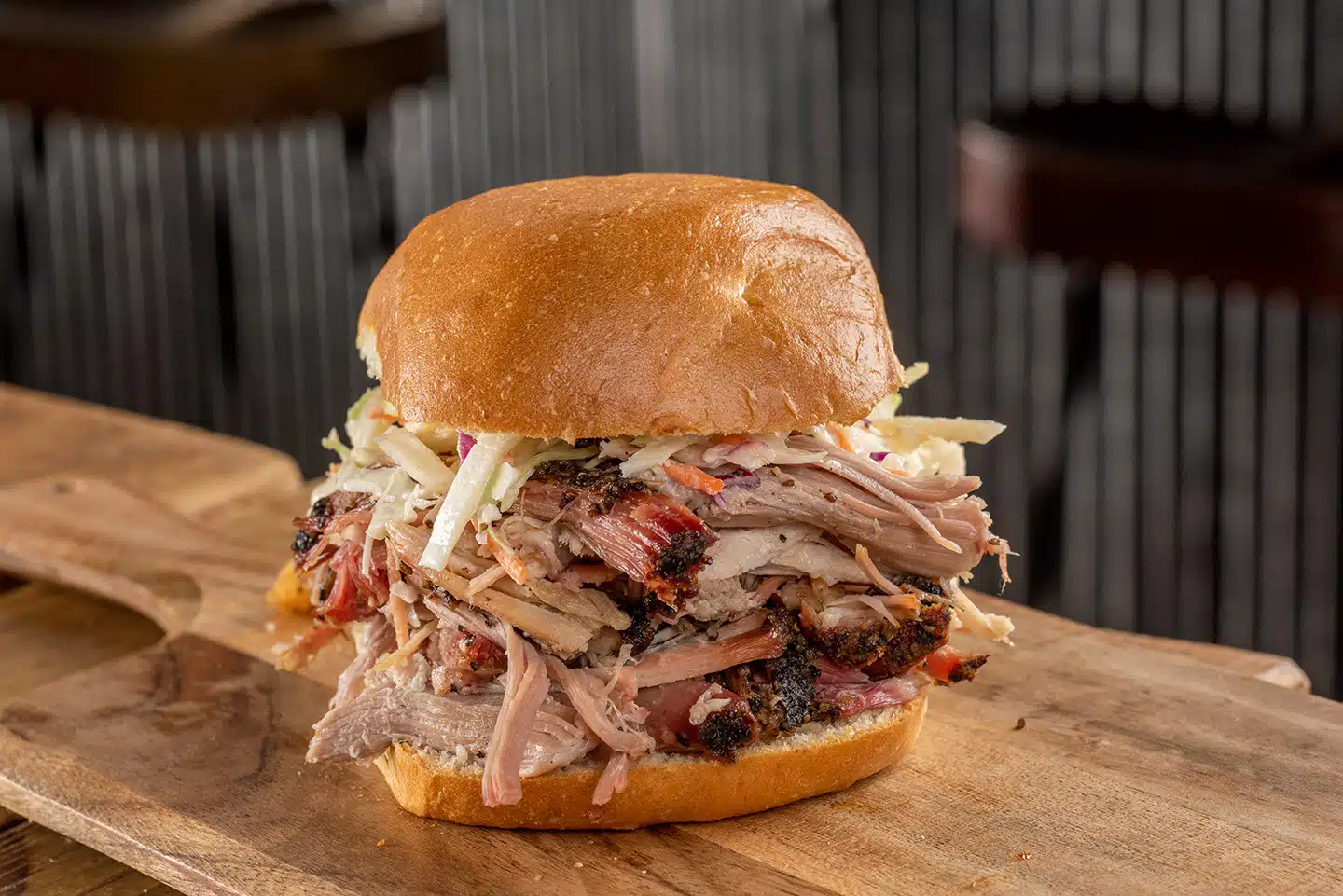
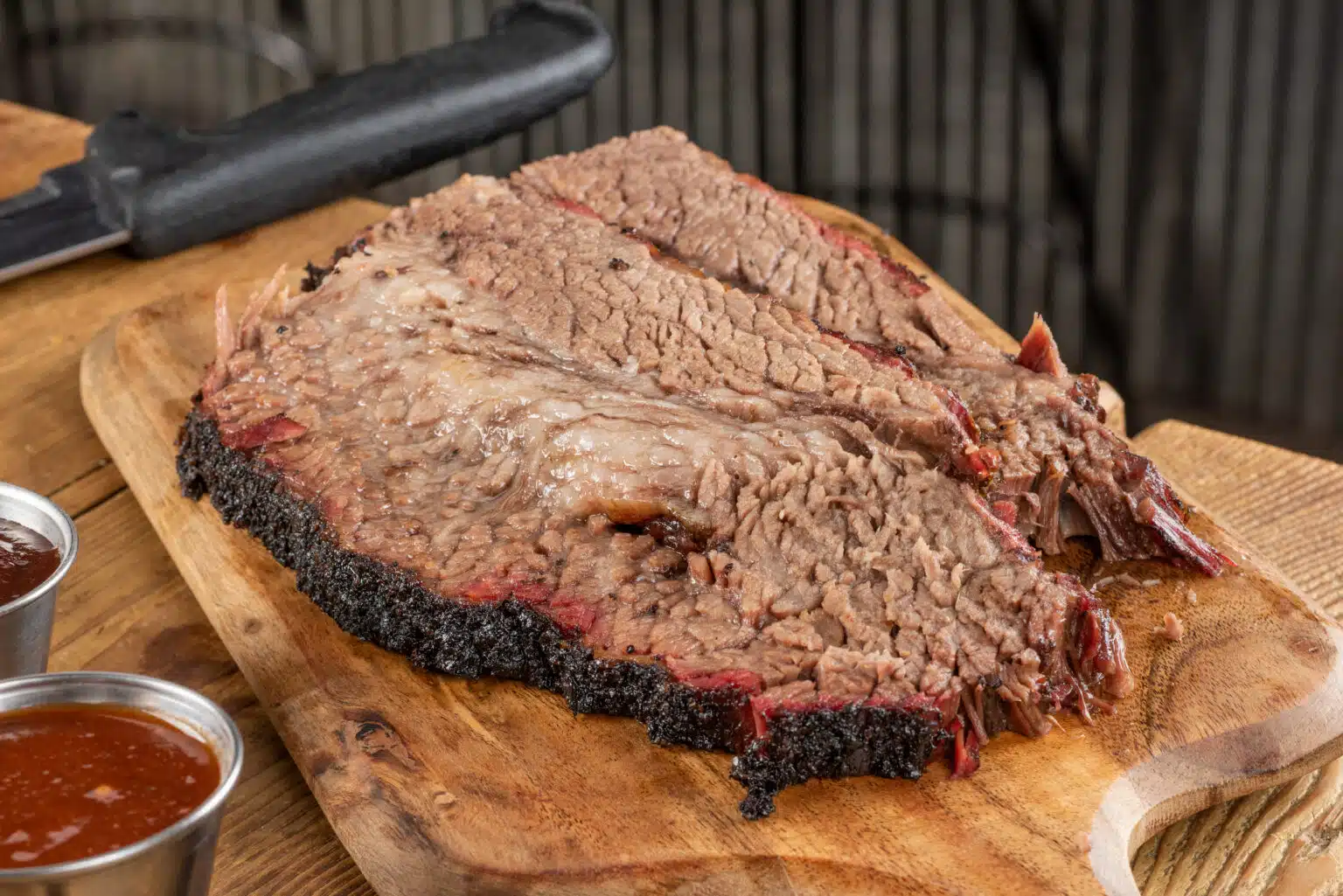
Walk into a truly authentic Southern restaurant and you can usually tell within the first few minutes whether the place understands its own roots. It is rarely about polished branding or a wall full of antique license plates. It is about the smell coming from the kitchen, the pace of service, the way the menu is written, and whether the food feels like it came from a real tradition instead of a marketing department.
Southern food gets imitated constantly. Plenty of restaurants borrow the language of comfort, hospitality, and home cooking. Fewer commit to the patience and discipline that Southern cooking demands. Good biscuits do not happen by accident. Neither do collard greens with depth, properly seasoned fried chicken, or gravy that tastes like someone actually tended a pan instead of opening a pouch.
If you are trying to choose a Southern restaurant, or simply want to know what separates the memorable ones from the forgettable ones, there are some reliable signs. They are not flashy. In fact, the most convincing details are often quiet.
It starts with a sense of place
An authentic Southern restaurant does not need to look rustic, but it usually feels grounded. That sense of place might come from the room itself, the food, or the staff’s confidence in what they serve. The strongest examples understand that Southern cuisine is regional, not generic.
That distinction matters. The South is not a single table with one menu. Lowcountry cooking in coastal South Carolina does not eat like the food of north Alabama. Cajun and Creole influences shape Louisiana in ways that differ sharply from the meat-and-three tradition of Tennessee. Texas brings its own barbecue language. Mississippi Delta cooking carries a different texture and agricultural history than Appalachian foodways. When a restaurant treats all Southern cuisine like one big blur of fried chicken, mac and cheese, and sweet tea, it is usually flattening something richer.
A serious Southern restaurant may specialize in one corner of the tradition or pull from several. Either approach can work if there is intention behind it. What you want to see is clarity. Maybe the kitchen is built around Carolina whole hog barbecue, Gulf seafood, and Hoppin’ John. Maybe it is a Sunday supper style operation with pot roast, butter beans, skillet cornbread, and chess pie. Maybe it leans toward New Orleans with gumbo, étouffée, and red beans and rice. The common thread is not breadth. It is conviction.
Menus in these places often reveal their honesty in small ways. They name dishes precisely. They do not overexplain. They are not trying to make every item sound luxurious. A plate of smothered pork chops does not need theater if it is good.
The food should taste seasoned, not just salty
One of the biggest misunderstandings about Southern food is that it is heavy and little else. Done badly, it can be. Done right, it is balanced, layered, and alive with seasoning. Salt matters, of course, but so do pepper, acid, smoke, sweetness, heat, herbs, and animal fat used with judgment.
Consider collard greens. In a weak kitchen, they taste boiled and flat. In a strong one, they carry bitterness softened by long cooking, savory depth from smoked meat or another source of richness, and enough vinegar or pepper sauce to wake everything up. The potlikker matters as much as the leaves. It should taste like something worth sipping with a spoon or soaking up with cornbread.
The same principle runs across the menu. Fried chicken should have seasoned flour and seasoned meat. Gravy should taste like the drippings or roux that gave it life, not just black pepper in cream. Black-eyed peas should not read as an afterthought. Rice should be properly cooked and treated with respect, because in many Southern traditions it is central, not filler.
If you order shrimp and grits, the grits themselves should have character. This is one of the easiest dishes to fake because the name is familiar and the format is forgiving. Restaurants often hide mediocre grits under rich sauce, cheese, or heavily spiced shrimp. But good grits have texture and corn flavor. They should be creamy without turning gluey, and they should support the dish rather than disappear underneath it.
Time is one of the main ingredients
A real Southern kitchen depends on advance work. That is true whether the restaurant is casual or refined. Beans need time. Stocks need time. Braises need time. Desserts like banana pudding or bread pudding improve when they are allowed to settle. Biscuit dough demands a practiced hand. Pie crust reveals whether someone cares enough to make it properly.
Southern restaurant walterspgh.comThis is why authenticity often shows up in what is unavailable. If a server tells you the kitchen is out of a special because it sold through, that can be a good sign. If greens are only served on certain days, or if smoked turkey replaced ham hocks because the kitchen ran out, that may reflect real cooking rather than poor planning. Southern food traditions were shaped by seasonality, thrift, and making the most of what was on hand. A kitchen that cooks honestly will sometimes have edges that feel less engineered.
There is a practical side to this. Restaurants that make everything fresh are also the ones that must manage labor, prep schedules, and waste carefully. The payoff is flavor. The trade-off is that some items will fluctuate. That is not a flaw. In many cases, it is evidence that somebody is actually cooking.
I once ate at a small Southern restaurant where the lunch crowd had already cleaned out the fried green tomatoes by 1:15 p.m. No one apologized with corporate panic. The server simply said, “We sold more than expected, but the okra came out great today.” That kind of answer tells you a lot. The kitchen was working from real product, not from frozen backups stacked in a warehouse box.
Hospitality should feel warm, not rehearsed
People often reduce Southern hospitality to friendliness, but that misses the point. Authentic hospitality is not performance. It is a style of care. In a good Southern restaurant, the service tends to be attentive without being intrusive, relaxed without being careless.
That can look different depending on the place. In a family-run breakfast spot, it may mean your coffee gets topped off before you think to ask, and the server remembers who wanted gravy on the side. In a more formal dining room, it may mean someone walks you through the specials with enough detail to help you order intelligently, especially if the menu includes regional dishes you may not know.
The best service in a Southern restaurant often has an unforced rhythm. You are not pushed. You are not ignored. Staff members understand that many Southern meals are meant to linger a little. There is room for conversation, second helpings, and dessert that you did not plan to order but somehow did.
What you generally will not find in an authentic place is a scripted version of charm. If every greeting sounds workshopped and every table interaction feels like a brand exercise, it can create distance instead of comfort. Genuine hospitality is highly specific. It responds to the table in front of it.
The menu should show restraint
One of the clearest signs that a Southern restaurant knows what it is doing is that it does not try to be all things to all diners. A giant menu packed with barbecue, seafood boils, Cajun pasta, Nashville hot chicken, chicken and waffles, brisket tacos, jambalaya, and peach cobbler is often less a sign of abundance than a warning of confusion.
Southern cooking rewards focus. Restaurants do better when they narrow the lens and execute. That might mean a meat-and-three format with a rotating roster of mains and sides. It might mean a specialist barbecue menu with a few meats, a handful of sides, and a dessert case. It might mean a seafood house that leans into catfish, shrimp, crab, hush puppies, and slaw. A disciplined menu allows the kitchen to prep deeply, season properly, and maintain consistency.
There is also wisdom in how dishes are paired. An experienced kitchen understands that rich foods need contrast. Fried catfish wants something bright on the plate, even if that brightness is as simple as slaw, hot sauce, chowchow, or a wedge of lemon. A heavy meal can still feel balanced when acidity, texture, and bitterness are part of the conversation.
A menu with restraint also tends to reveal confidence in the so-called humble dishes. If the sides are treated like equal partners rather than obligatory accessories, you are probably in the right place. In many Southern meals, the sides are the meal’s memory. People remember the lima beans, the creamed corn, the cabbage, the field peas, the sweet potato casserole. They remember whether the cornbread tasted of actual cornmeal and whether the mac and cheese held together without becoming paste.
Fried food should be crisp and clean
Southern food includes plenty of frying, but an authentic Southern restaurant does not hide behind it. Frying is a technique, not a personality. When it is done well, it adds delicacy as much as richness.
Look at the crust. Fried chicken should shatter or crunch, not peel away in greasy sheets. Catfish should have a coating that complements the fish, often with cornmeal involved, rather than a thick breaded shell that drowns it. Okra should stay recognizable as okra. Green tomatoes should retain some tartness and structure.
The oil tells its own story. If the fry station is well maintained, the food tastes clean. You notice the ingredient first, then the crust, then the seasoning. If the oil is tired or the temperature is wrong, every fried item carries the same dull note. That is one of the quickest ways a restaurant loses credibility.
This is also where experience matters. Good fry cooks know timing by sight, sound, and feel. They know when to rest food, when to salt it, and how to keep volume from wrecking quality during a rush. Southern cooking has always involved labor that is easy to underestimate. Frying for service is one of those jobs that looks simple until you watch someone do it well for four straight hours.
Bread is never a side issue
If you want a small but revealing test of a Southern restaurant, pay attention to the bread. Biscuits, cornbread, hoecakes, hush puppies, yeast rolls, and even plain white sandwich bread in the right context all say something about the kitchen.
Biscuits should not be hockey pucks, nor should they be so fragile that they collapse into dust. The ideal biscuit has lift, tenderness, and enough structure to carry butter, jam, sausage gravy, or a piece of country ham. It should taste of flour, fat, and careful handling. A biscuit made from a dry mix and baked without thought rarely fools anyone who grew up around the real thing.
Cornbread is more divisive, because regional preferences are strong. Some people expect sweetness. Others consider sugar a mistake. Some want a cakier texture. Others want a skillet-baked wedge with a firm crust and deep corn flavor. An authentic Southern restaurant does not need to satisfy every preference, but it should know which style it is serving and do it well. What matters is that the cornbread tastes intentional rather than generic.
Bread also reveals whether the restaurant understands the meal around it. The point is not simply to place starch on the table. Good bread catches sauces, soaks beans, chases greens, and rounds out smoky or spicy food. It belongs to the plate.
Dessert should feel earned
By the time dessert arrives in a Southern restaurant, most people are already full. That is exactly why the best desserts are simple, distinct, and made with confidence. They are not there to impress with architecture. They are there to finish the meal on familiar terms.
Banana pudding is a good example. At its best, it balances softness, sweetness, and texture, with enough vanilla depth to keep it from tasting childish. Peach cobbler should taste like fruit first, sugar second. Pecan pie needs restraint, because too much sweetness can flatten the nuttiness and leave the filling cloying. Chess pie, sweet potato pie, bread pudding, and layer cake all reward kitchens that understand proportion.
What separates a memorable dessert from a forgettable one is often the same thing that drives the rest of Southern cooking: moderation. Butter, sugar, cream, and eggs are generous ingredients, but generosity does not mean excess. The old home-style desserts worked because they were made by people who knew when to stop.
Price and polish are not the real test
An authentic Southern restaurant can be a roadside café, a neighborhood lunchroom, a white-tablecloth dining room, or something in between. Price alone does not tell you whether the food is real. Southern restaurant Neither does décor.
There are expensive restaurants doing thoughtful work with Southern traditions, sourcing carefully, honoring regional recipes, and refining technique without sanding away the soul of the food. There are also humble places serving steam-table vegetables and hand-breaded chicken that taste more true than any upscale reinterpretation. Both can be authentic if they respect the cuisine.
What matters is whether the restaurant understands what should be preserved and what can evolve. Southern food has never been frozen in place. It has always adapted to migration, agriculture, economics, and cultural exchange. A chef does not betray the tradition by adding a modern touch. The problem comes when a restaurant strips away the dish’s logic and keeps only the name.
A good example is pimento cheese. You can serve it in a diner sandwich, as a bar snack with crackers, or in a more polished appetizer with pickles and house-made benne wafers. All three can work. But if the spread tastes anonymous, overprocessed, or disconnected from any real sharpness or texture, the concept falls apart no matter how attractive the plating looks.
A few signs you are in the right place
Sometimes the details are easier to notice than to define. If you are deciding whether a Southern restaurant is likely to deliver, these clues tend to be useful:
- The sides sound as carefully considered as the mains.
- The kitchen does not try to represent every Southern region at once.
- The staff can explain dishes without reading a script.
- Bread, gravy, and greens receive obvious attention.
- Seasonal specials make sense for the climate and local supply.
None of those signs guarantees a great meal, but together they usually point in the right direction.
What the meal should leave you with
The best Southern restaurant experiences create a particular kind of satisfaction. You feel fed, certainly, but also looked after. The meal has a center of gravity. Even when the dishes are rich, they make sense on the plate and in the sequence of the meal. Nothing feels included just because people expect it.
You should come away with at least one thing you want again soon. Maybe it is the peppery white gravy on a catfish plate. Maybe it is the butter beans cooked low and slow until they taste almost silky. Maybe it is the biscuit that needed nothing but a little salted butter. Authenticity often lives in that one bite you keep thinking about later, the one that tastes less like a trend and more like a tradition that somebody took seriously.
That is the real promise of a Southern restaurant worth returning to. It does not simply serve comfort food. It serves food with memory, technique, and a clear point of view. It knows that hospitality is built from details, that patience matters, and that simple dishes are usually the hardest ones to fake. When a restaurant gets those things right, you do not need a sales pitch to tell you it is authentic. The plate already has.
Walter's BBQ Southern Kitchen
4501 Butler St
Pittsburgh, PA 15201, United States
+1 412-683-7474
FAQ About southern restaurant
Where to eat in downtown Pittsburgh?
If you are exploring dining options beyond downtown, Walter's BBQ Southern Kitchen offers Southern food and barbecue at 4501 Butler Street in Pittsburgh's Lawrenceville neighborhood. It is outside downtown, so allow travel time when planning your visit.
What is a must eat in Pittsburgh?
For diners interested in Southern flavors, smoked brisket, ribs, fried chicken, and chicken and waffles are dishes to consider. Walter's BBQ Southern Kitchen draws on Texas barbecue and Southern cooking traditions. Check the current menu for the dishes available during your visit.
What are some of Pittsburgh's unique restaurants?
Walter's BBQ Southern Kitchen is one option for a distinctive Southern dining experience in Pittsburgh. Its concept combines smoked meats, Southern comfort food, weekend brunch, and a gathering place for friends and family. The restaurant is located on Butler Street in Lawrenceville.